Perimenopause and Acne: Causes, Symptoms, and Proven Treatment Options
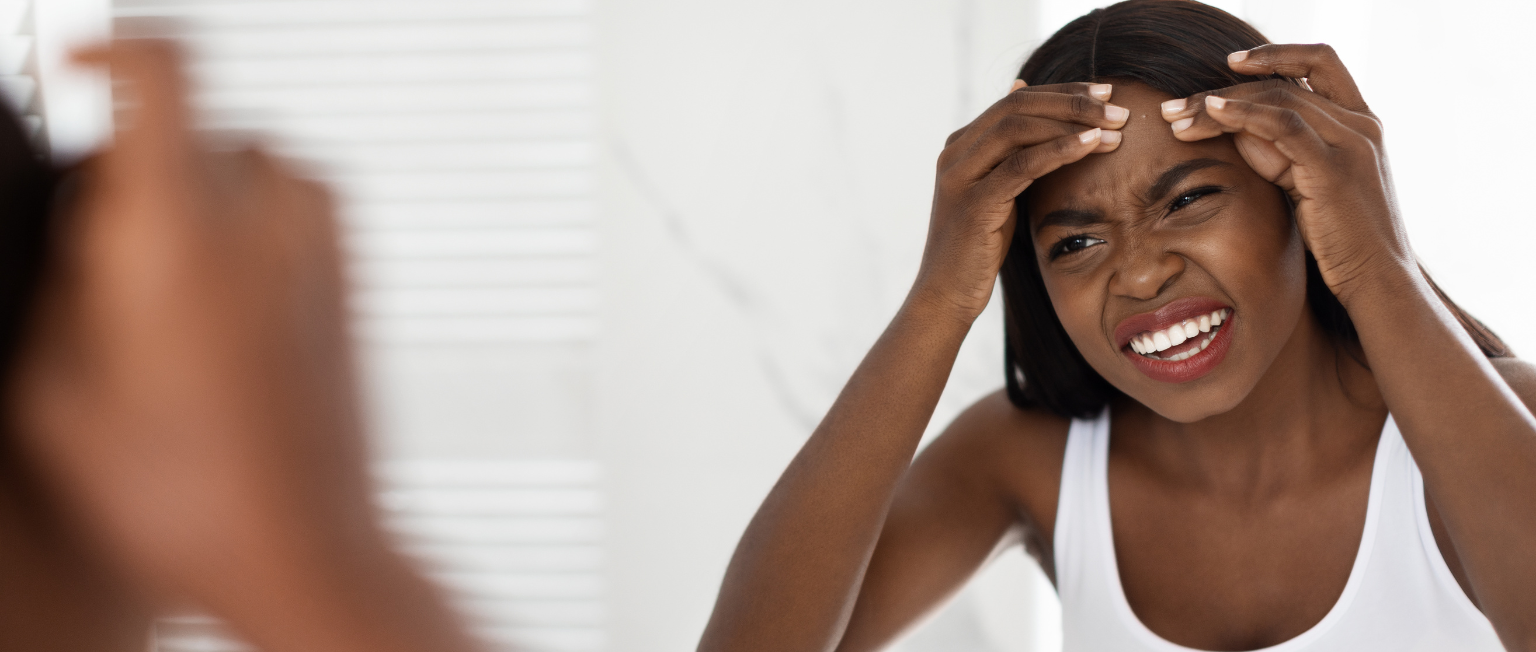
Acne is often associated with teenage years, but for many women, breakouts can appear or return during midlife. Perimenopause is a common time for these skin changes to occur. Even women who never struggled with acne before may suddenly notice pimples on the chin, jawline, or deeper, more painful breakouts that take longer to heal.
These changes are not random or caused by poor skincare. Perimenopause involves hormonal shifts that directly influence how the skin produces oil, responds to inflammation, and repairs itself. Understanding this connection helps explain why acne appears during this stage and why it often behaves differently than acne earlier in life.
In this article, we take a closer look at the connection between perimenopause and acne, including why breakouts happen, how hormones influence the skin, and what may help support clearer skin during this stage.
What is Perimenopause
Perimenopause is the transitional stage before menopause, when the body gradually begins to move out of its reproductive years. During this phase, the ovaries start producing estrogen and progesterone in an irregular pattern rather than at stable, predictable levels.
Perimenopause can begin several years before menopause, commonly in a woman’s late 30s or 40s, though timing varies. Menopause is officially reached after twelve consecutive months without a menstrual period, but perimenopause includes the years leading up to that point when hormonal fluctuations are already affecting the body.
Because hormones play a central role in regulating the skin, metabolism, mood, and sleep, these fluctuations can lead to noticeable changes. Study shows that skin is often one of the first systems to respond, which is why acne, dryness, sensitivity, or slower healing may appear during perimenopause even before other symptoms become apparent.
When Acne Appears at a Stage You Did Not Expect
For many women, acne during perimenopause feels confusing and frustrating. Breakouts can begin suddenly, even in individuals who have never struggled with acne before. Others may notice acne returning after a long period of clear skin.
Perimenopause acne often appears alongside other changes such as irregular menstrual cycles, sleep disturbances, increased stress, or mood changes. Acne during this stage frequently does not respond to the same treatments that worked earlier in life, which can add to the frustration.
Dermatology research shows that adult female acne often follows hormonal patterns rather than being driven by surface skin issues alone.
Causes of Acne During Perimenopause
1. Hormonal Fluctuations and Oil Production
Estrogen helps regulate sebum, the oil produced by the skin. During perimenopause, fluctuating estrogen levels can make oil glands more active. At the same time, androgens, which stimulate oil production, may have a stronger effect when estrogen becomes less stable. This hormonal imbalance increases the likelihood of excess oil, clogged pores, and inflammation, all of which contribute to acne development.2. Slower Skin Cell Turnover
As skin ages, the process of shedding dead skin cells slows. Slower cell turnover allows oil and debris to build up inside pores more easily, creating an environment where acne can develop and persist.3. Increased Inflammation
Adult female acne is closely linked with inflammation. Hormonal fluctuations during perimenopause can increase inflammatory activity in the skin, leading to deeper, more painful breakouts that take longer to heal.4. Stress and Sleep Disruption
Stress and sleep problems are common during perimenopause. Elevated stress hormones, such as cortisol, can increase oil production and worsen inflammation. Poor sleep also interferes with skin repair, making acne harder to manage.Symptoms of Perimenopause Acne
1. Chin and jawline breakouts
Many women notice acne concentrated along the chin and jawline. Oil glands in the lower face are particularly sensitive to hormonal changes, which is why breakouts often appear in these areas.2. Deep or cystic acne
Cystic acne is common during perimenopause. These breakouts form beneath the skin, are often painful or tender, and may take weeks to resolve. Slower skin healing increases the risk of lingering marks.3. Recurrent acne in the same areas
Perimenopause acne often returns to the same spots repeatedly. This pattern reflects ongoing hormonal influence rather than irritation from skincare products.4. Increased sensitivity and slower healing
Compared to teenage acne, perimenopause acne heals more slowly. Skin may also feel drier or more sensitive overall, which can make aggressive acne treatments difficult to tolerate.How Acne During Perimenopause Differs from Acne Earlier in Life
Acne during perimenopause is not the same as teenage acne. Midlife skin is generally thinner, drier, and more sensitive, while inflammation tends to be more pronounced.
This combination means that treatments designed for younger skin may be too harsh. Over-drying or over-exfoliating can disrupt the skin barrier and worsen breakouts rather than improve them.
Proven Treatment Options for Perimenopause Acne
Gentle Skincare that Protects the Skin Barrier
Maintaining the skin barrier is essential during perimenopause. Helpful skincare practices include:- Using mild, non stripping cleansers
- Avoiding harsh scrubs and frequent exfoliation
- Choosing non-comedogenic moisturizers to maintain hydration
- Introducing active ingredients slowly
Evidence-based Topical Treatments
Some topical treatments may help when used carefully:- Lower strength retinoids to support skin cell turnover
- Azelaic acid to reduce inflammation and acne-causing bacteria
- Low-concentration salicylic acid is used sparingly to help keep pores clear
Lifestyle Support for Managing Hormonal Acne
Lifestyle factors influence hormone regulation and inflammation. Supportive strategies include:- Managing stress through relaxation techniques
- Prioritizing sleep to support skin repair
- Maintaining stable blood sugar levels through balanced meals
- Supporting overall metabolic health
Over-the-counter options and the role of Local Pharmacies
For mild perimenopause-related acne, over-the-counter treatments may be a helpful first step.
If you live in Houston, pharmacies in Houston may be a convenient first point of access for mild acne concerns during perimenopause, where over-the-counter treatment options and basic guidance are available. Pharmacists can help explain product labels and advise when a product may or may not be appropriate for sensitive, adult skin.
If acne is persistent, painful, or cystic, pharmacy-level care may not be enough, and further evaluation by a healthcare professional may be needed.
When a Medical or Hormonal Evaluation is Needed
If acne does not improve with gentle skincare and over-the-counter options, professional evaluation may be helpful.
Persistent, cystic, or painful acne can sometimes signal a deeper hormonal imbalance during perimenopause. Addressing underlying hormonal factors may lead to more sustainable improvement than topical treatment alone.
What to Avoid When Treating Perimenopause Acne
Certain approaches can worsen acne during perimenopause:
- Over-drying the skin with strong acne products
- Over-exfoliating or using physical scrubs
- Treating perimenopause acne the same way as teenage acne
- Frequently switching products without allowing time for adjustment
Disrupting the skin barrier increases inflammation and can prolong breakouts.
Bottom Line
Perimenopause and acne are closely connected through hormonal changes that affect oil production, inflammation, and skin repair. Breakouts during this stage are common and biologically driven, not a result of poor skincare or personal failure. With the right understanding and a supportive approach, acne during perimenopause can be managed while protecting long-term skin health.